96 Hours in Kaziranga: What the Jungle Reveals When You Stop Looking for the Tiger
I started my trip to Kaziranga riddled with diarrhoea, running on zero sleep, and facing a six-hour drive. It wasn’t exactly the “relaxed traveler” vibe I was going for. But that’s the thing about real travel—it doesn’t care about your itinerary.
Before even hitting the park, we had a mission: to find the Greater Adjutant Stork. Our birder friends pointed us toward a massive garbage dump near Guwahati.
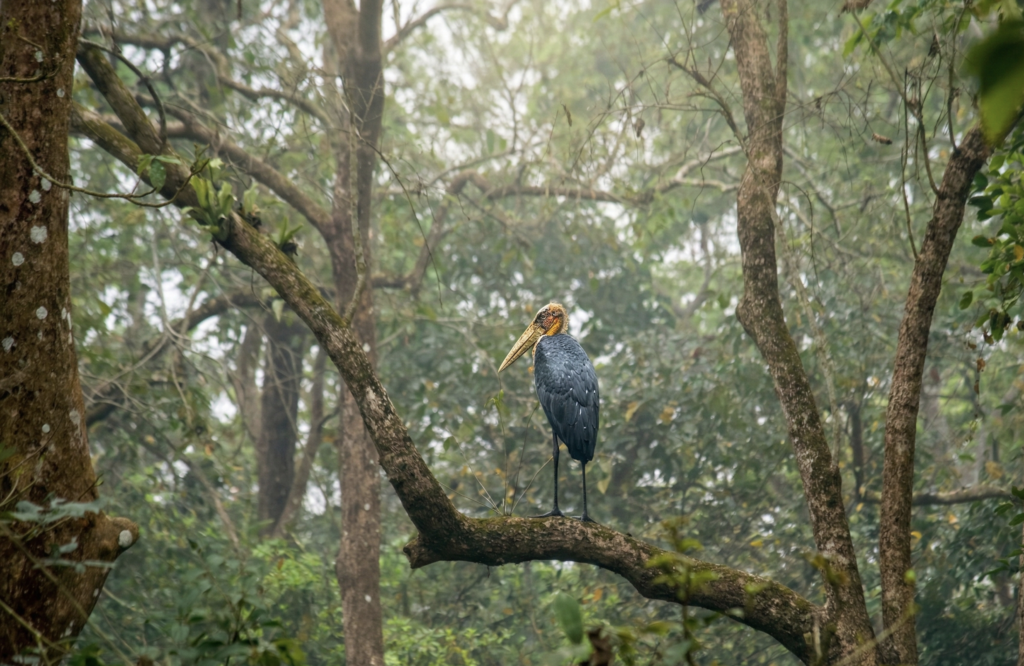
It sounds unsavory, and frankly, it smelled worse. But there is a profound conservation story here. These birds are among the rarest storks on earth. Seeing the largest colony of them living atop a literal mountain of human waste is a reality check. It is amazing—and slightly heartbreaking—to see how nature adapts and survives in an ever-increasingly human-infested world. They aren’t in a pristine meadow; they are in the trenches of our trash, proving that life finds a way even when we make it difficult.
Don’t skip the dump. It’s not “pretty” for Instagram, but it’s the most honest wildlife encounter you’ll have in Assam.
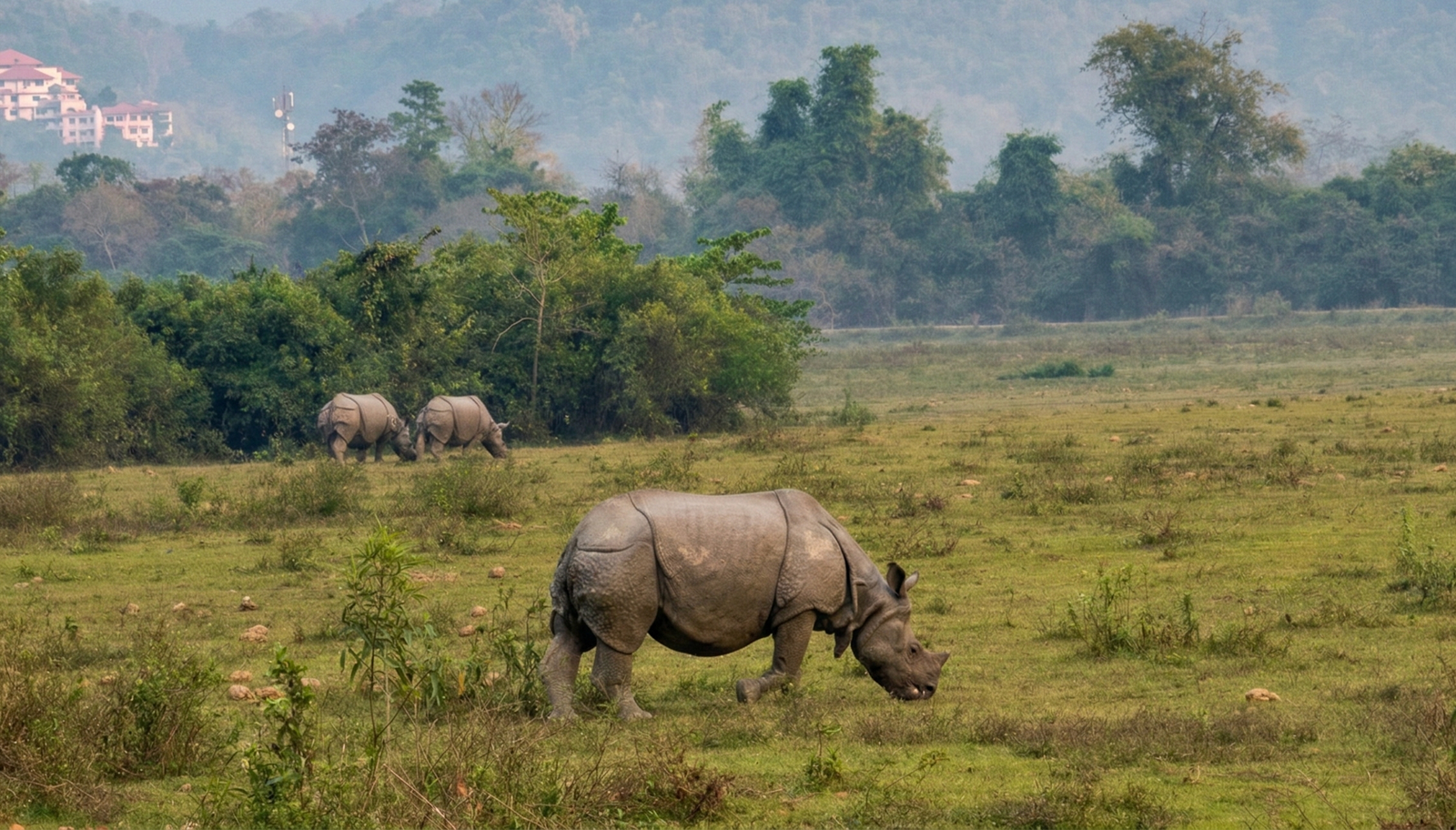
As we neared our resort, the local wildlife had started to make its presence felt. Hog deer were grazing peacefully along the edges of the road, and rhinos were already visible in the distance. Because the drive took longer than planned, I’m fairly certain I set a record for the fastest lunch ever had by a human before racing to the Central Range for my first safari.
Experiencing a Kaziranga National Park safari is a once-in-a-lifetime adventure that allows you to witness the unique wildlife of the region.
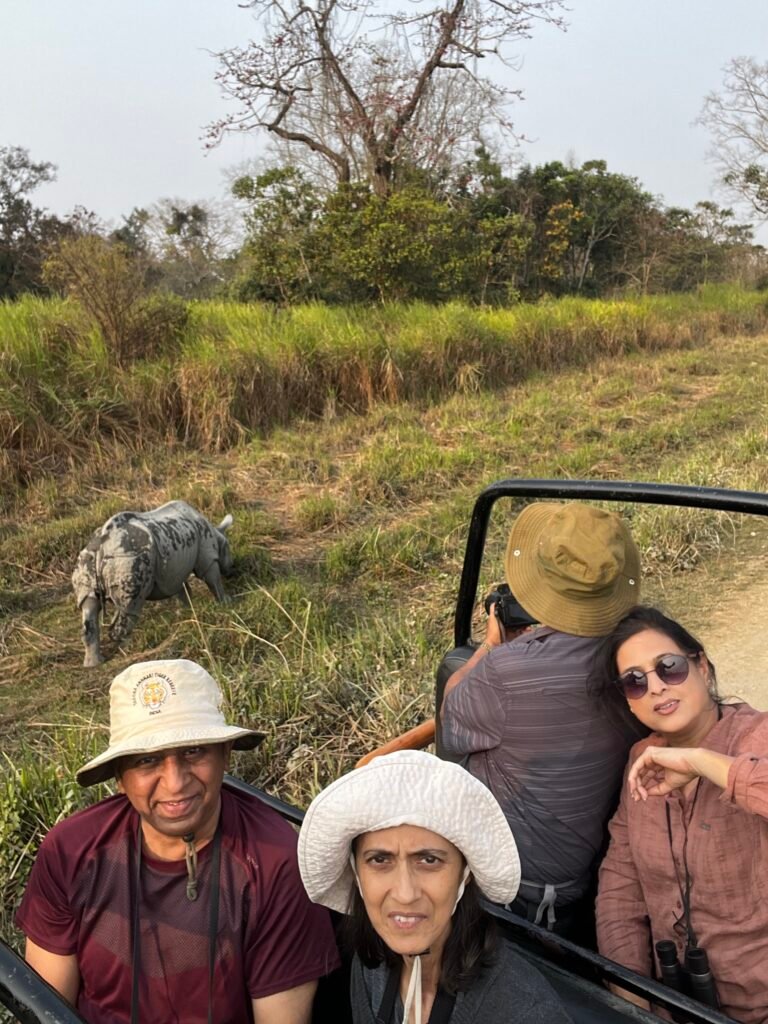
While every other Jeep was huddled around a grass patch next to the safari track, desperately hoping for a tiger sighting from that morning, my guide and our jeep kept moving. We weren’t interested in the “traffic jam” safari experience. And we were rewarded amply. We came face-to-face with a daring rhino who couldn’t have cared less about us. He was mere meters away—a prehistoric tank with the temperament of a bored librarian. I took a selfie, mostly because the sheer scale and grace of the creature made me feel incredibly small.
The moment you forgo the tiger, the forest magically begins to unravel.
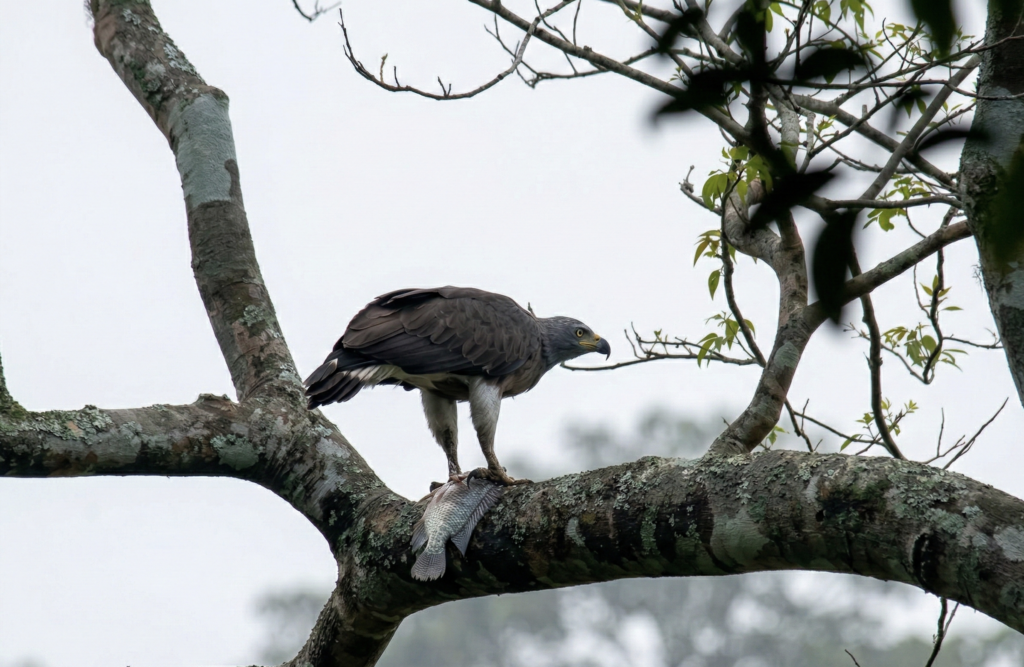
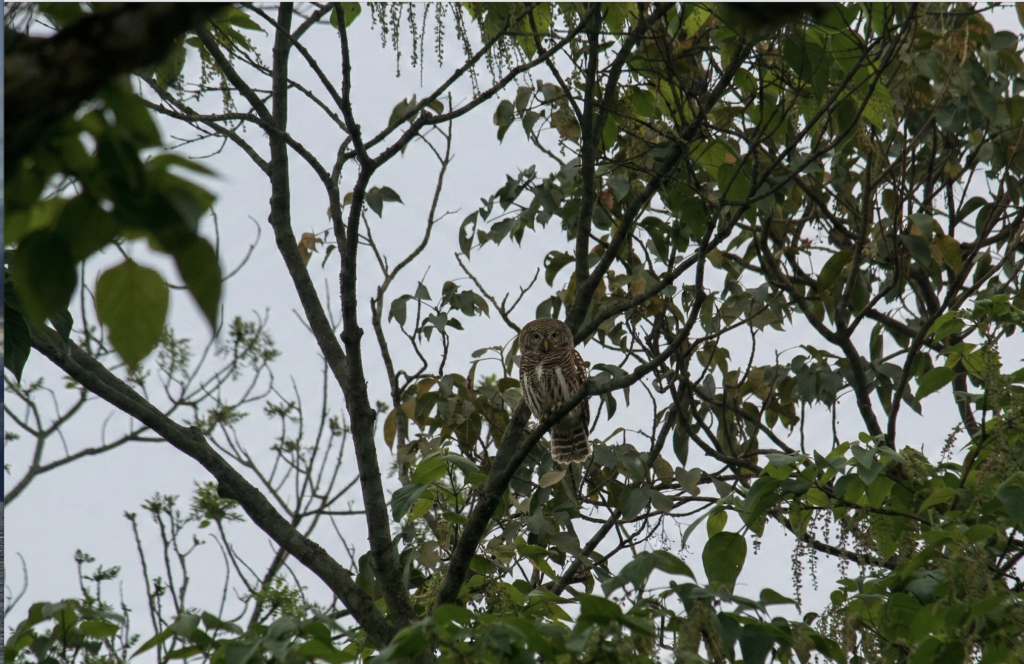
Perfectly camouflaged raptors observing us with predatory patience. Keen-eyed owls hidden in the canopy watched our every move.
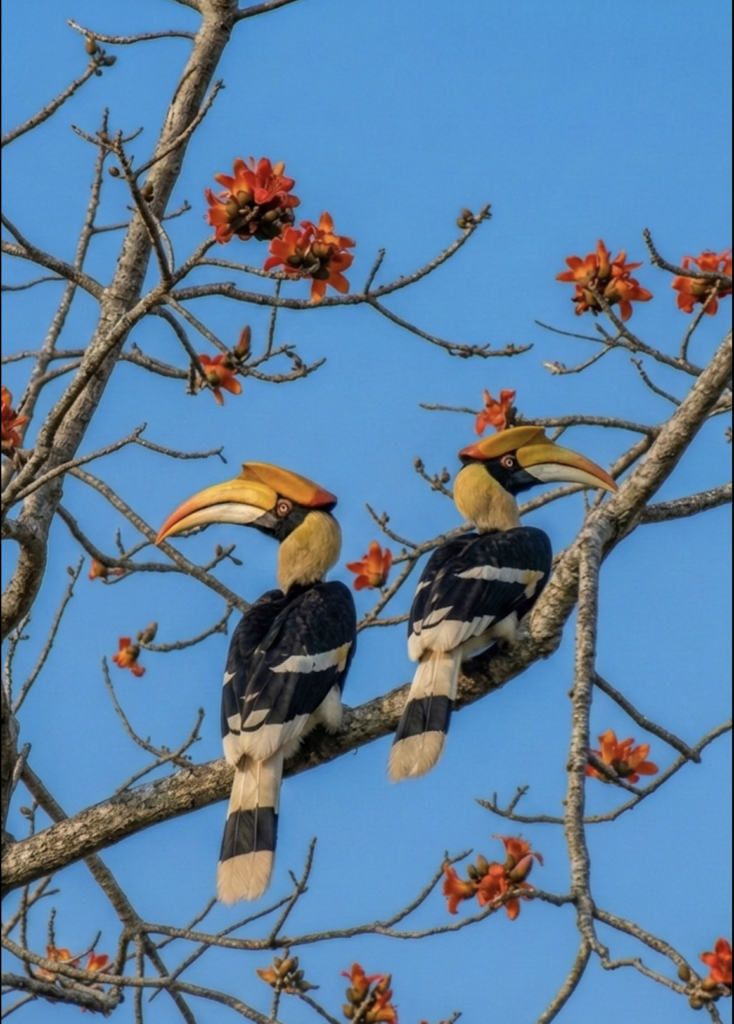
A pair of Hornbills perched perfectly on a tree against a blue background.
By the time the sun set over the tall grasses and the soothing sounds of the Brahmaputra took over, the difficulties of the day were forgotten. Life felt good in that instant.
Then, I checked into my resort. Things… fell apart. I was given a “Group Leader” room. It had “quirks.” The fan didn’t have a switch—just live wires shoved into a socket. You either had both the light and the fan on, or you sat in total, silent darkness.
The bathroom was the real prize. A broken shower head and a non-functional geyser made for a challenging experience. Since it was freezing, I learned a new technique: The Segmented Cold Shower. First the hands, then the legs, then the torso—all while cursing my luck, not inaudibly.
The next morning, we headed to the Eastern Range. Since most tourists are fixated on tigers, it felt like the entire range was left for us to explore. It was, hands down, some of the best birding I’ve ever had the pleasure of exploring in India—and I’ve explored a lot.
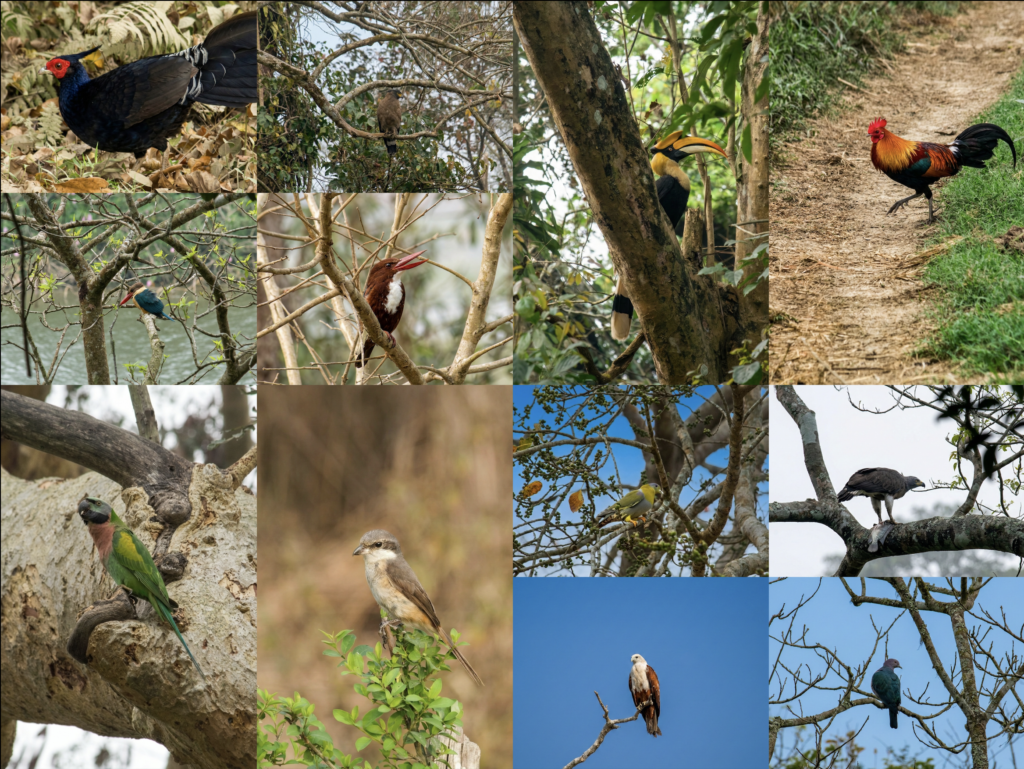
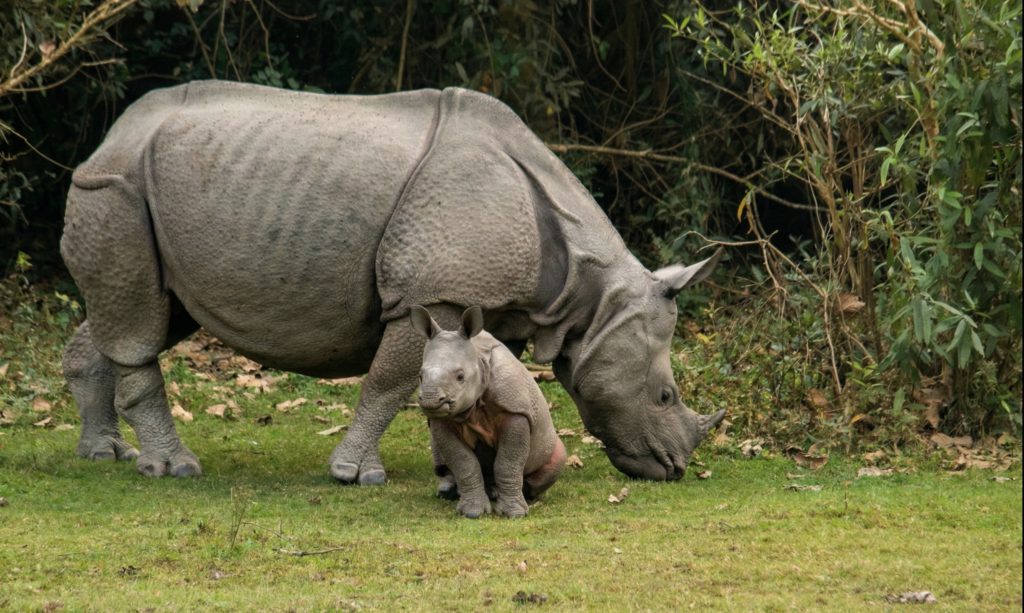
We saw raptors, parakeets, ducks, waders, and shrikes. My trigger-happy camera fingers couldn’t keep up. Later, in the Western Range, we swapped the photos for video content. The forest didn’t disappoint—we spent 30 minutes with a mother rhino and her calf and got a stunning shot of a flock of Bar-headed Geese landing in the lake.
The next morning a 4 AM dash to the Hoolock Gibbon Sanctuary, about three hours away with a packed breakfast was executed. We were very keen to spot India’s only ape.
While trekking through the sanctuary, we spent over two hours searching. Our guides persisted, and eventually, we tracked down an entire family high in the canopy. We observed them for 30 minutes, realizing at the end that we all needed a professional massage for our necks, which had sprained craning toward the treetops to get a good look at these shy creatures.
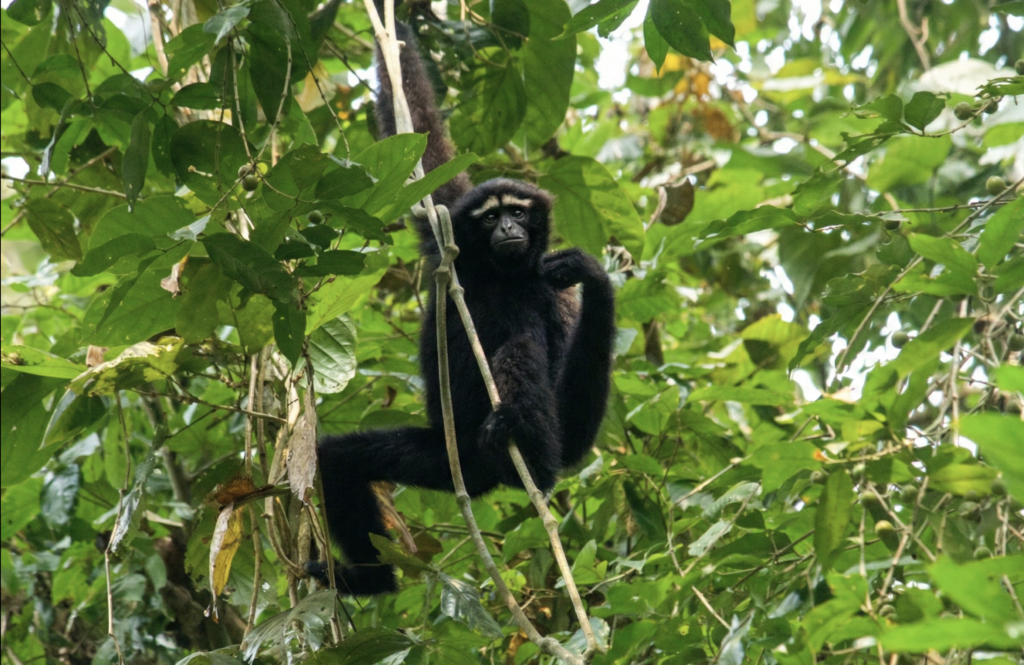
I flew back home to Mumbai with sweet memories and a realization: the jungle reveals its best secrets only when you stop being obsessed with the ‘star’ of the show.
Planning your own Assam trip? Drop a comment below if you need my specific Jeep driver’s contact or want to know which lodge has the best bathroom 🙂
Frequently Asked Questions: Kaziranga National Park
How many days do you need in Kaziranga?
Three to four days is the minimum if you want to do it properly. One day gives you a Central Range safari and nothing else — you will miss the Eastern Range (the best birding in the park) and the Hoolock Gibbon Sanctuary entirely. If you have four days, use them. The park reveals itself slowly.
What are the different zones in Kaziranga and which should you visit?
Kaziranga has four ranges — Central (Kohora), Eastern (Agoratoli), Western (Bagori), and Burapahar. Most tourists only ever see the Central Range. The Central Range has the densest rhino population. The Eastern Range is quieter, far less crowded, and in my experience the best birding in the entire park — raptors, waders, ducks, parakeets, and shrikes without another jeep in sight. The Western Range is worth it for the lake, the elephant herds, and the Bar-headed Geese that land in winter. Burapahar is the least visited and best for solitude. If you have four days, cover all four. If you have two, do Central and Eastern.
How much does a Kaziranga safari cost?
As a rough guide for Indian nationals, jeep safari entry fees run around Rs. 250-400 per person depending on the range. Jeep hire costs approximately Rs. 2,500-3,500 per vehicle, which seats up to six. Camera fees are around Rs. 500 for a DSLR. Elephant safaris cost approximately Rs. 900-1,000 per person. Foreign nationals pay significantly more. Prices are set by the Forest Department and do change, so confirm current rates with your resort before you go.
What is an elephant safari in Kaziranga and is it worth doing?
The elephant safari operates only in the Central Range, in the Mihimukh area, during the early morning session. You are taken into the tall elephant grass where jeeps cannot go — this is genuinely the closest you will get to a one-horned rhino in the wild. Slots are extremely limited — typically four elephants, four riders each — and they sell out fast during peak season. Book through the Forest Department counter the evening before, or ask your resort to do it the moment you arrive. Do not miss this if you can help it.
Do safaris in Kaziranga have a separate guide, or is it just the driver?
In Kaziranga, the jeep driver is also your guide — there is no mandatory separate naturalist requirement. The driver-cum-guide system means the quality of your entire safari depends almost entirely on who is behind the wheel. A good driver-cum-guide knows the animal territories, the light, and when to stop and wait. A poor one will drive you around mechanically. Ask your resort specifically for a recommendation — the difference between a knowledgeable driver and an indifferent one is the difference between a memorable safari and a forgettable one.
What is the best time to visit Kaziranga National Park?
November to April is the open season. November to February gives you cooler mornings, better light for photography, and migratory birds in the lakes. March and April are warmer but the vegetation thins out, which can actually improve wildlife visibility. Avoid May to October — the park closes for monsoon.
Is Kaziranga only about the one-horned rhino?
Stay as close to the park gates as possible. Ask your resort for a driver-cum-guide recommendation and confirm safari slot bookings before you arrive. This ensures you enjoy a high-quality Kaziranga National Park safari.
That is what most people think, and it is what most tour operators sell you. In reality, Kaziranga is one of the most biodiverse parks in India — excellent birding, tigers (though sightings are rare), elephants, hog deer, wild water buffalo, and a genuinely impressive reptile and insect population. The Hoolock Gibbon Sanctuary nearby is worth a dedicated day trip for India’s only ape.
Do you need to book Kaziranga safaris in advance?
Yes — especially for the Central Range during peak season (December to February). Government jeeps have limited permits per session and they fill up. Book through your resort or directly via the Forest Department as soon as your travel dates are confirmed. Do not leave it to arrival day.
Where should you stay in Kaziranga?
Stay as close to the park gates as possible. There are options at every price point. Avoid anything that markets itself primarily on luxury — the point is to be out in the park at 5 AM, not in a spa. Ask your resort for a driver-cum-guide recommendation and confirm safari slot bookings before you arrive.